
Welding Respirators for Metal Fume
NIOSH-Approved Particulate Respirators · N95 · R95 · P100 · For Metal Fume — Not Welding Gases
Which welding respirator do you need for metal fume?
Short answer: for welding fume alone, a NIOSH-approved N95 is enough, because welding fume is a solid metal-oxide particulate rather than an oil aerosol. Step up to R95 or P100 when oil mist from cutting fluid or nearby machining is also in the air, or when you want the higher filter efficiency for stainless and galvanized work. What none of these can do is raise your assigned protection factor above 10 — and on some jobs that ceiling, not the filter class, is the thing that decides whether a mask on this page is the right tool at all.
All twenty-nine products here are disposable filtering facepieces from Moldex, 3M, Gerson, SAS Safety and Honeywell. That is a deliberate scope, and it leaves out a whole category that people often mean when they type these words — the integrated helmet and powered systems. We cover that below rather than leaving you to find out after purchase.
Is a welding respirator the same as a welding helmet with a respirator built in?
No, and this is the most common mismatch in the category. A welding helmet with an integrated blower — a PAPR — is a different device with a different protection factor, a different price bracket, and a different failure mode. It shields your eyes and face from the arc while feeding filtered air into the hood. A disposable mask does none of the eye and face work, and it has to fit under whatever helmet you already own.
If an integrated system is what you actually want, we review those: the 3M Speedglas G5-01 with Adflo and the Lincoln Electric KP4474-1 FGS are both covered, and the wider set sits in welding helmets and powered air purifying respirators. None of those is a member of this collection. Our PAPR welding helmet guide compares them directly, and what is a PAPR explains the architecture.
The reason to be explicit: a PAPR with a tight-fitting facepiece carries an assigned protection factor of 1,000 and a loose-fitting hood carries 25. A disposable carries 10. If you came here because a mask was not keeping up, the answer is not a better mask.
N95, R95 or P100 — what does the letter actually mean for welding?
The letter is about oil, not about metal. NIOSH certifies particulate filters under 42 CFR Part 84 in three series: N is not resistant to oil, R is resistant to oil for a limited period, and P is oil-proof. The number is filter efficiency against the most-penetrating particle size — 95, 99 or 99.97 percent.
Welding fume is condensed metal oxide. It is a solid, not an oil aerosol, so the N series is technically sufficient for fume by itself, and that is why an N95 remains the default in most welding shops. The case for R and P is situational and real: welding bays frequently share air with machining, and cutting fluid mist degrades an N-series filter in a way it does not degrade an R or P. If your bay has oil mist in it, buy for the oil. Our comparisons of N95 versus R95 and P100 versus N95 go through the trade in detail.
The 3M welding respirator options here are the 8214 and the 8515HA1-A, both N95 with an exhalation valve. For higher efficiency the Moldex 4400P100 AirWave, the Gerson 2280 P100 and the Honeywell SAF-T-FIT Plus P100 are the P-series members. The broader ranges sit in N95 respirators, R95 respirators and P100 disposable respirators.
Why does the assigned protection factor cap what any of these can do?
Because it does not move. Under the OSHA assigned protection factor table in 29 CFR 1910.134, a disposable filtering facepiece is assigned 10. An elastomeric half mask with P100 cartridges is also assigned 10. Upgrading from an N95 disposable to a P100 disposable buys you filter efficiency and oil resistance; it does not buy you a higher protection factor. Only changing the facepiece does that — a full facepiece air-purifying respirator is assigned 50, a loose-fitting PAPR hood 25, and a tight-fitting PAPR 1,000.
An assigned protection factor of 10 means the respirator is expected to reduce your exposure to one tenth of the ambient concentration. So the practical test is arithmetic: if your measured airborne concentration exceeds ten times the permissible limit for the contaminant, nothing on this page is adequate, whatever the filter class says. That is the honest ceiling on a twenty-nine-product page of disposables, and it is worth knowing before you buy rather than after. Our assigned protection factors reference works through the table.
What about hexavalent chromium from stainless steel?
This is the exposure that most often pushes welding past what a disposable can handle. Welding stainless steel, or using chromium-bearing filler on any base metal, generates hexavalent chromium, a confirmed human carcinogen with its own OSHA standard at 29 CFR 1910.1026. The permissible exposure limit is 5 micrograms per cubic meter as an eight-hour time-weighted average, with an action level of 2.5 micrograms triggering exposure monitoring.
Those are very small numbers, and enclosed or poorly ventilated stainless welding can exceed them by a wide margin. Run the arithmetic above: at an assigned protection factor of 10, a disposable is expected to bring you inside the limit only where ambient concentration sits below 50 micrograms per cubic meter. Where it does not, the route is a full facepiece or a powered system, plus local exhaust ventilation as the primary control. Mild steel brings its own issue in manganese, where the OSHA limit dates from 1971 and the current ACGIH threshold limit value is far lower — our note on ACGIH TLV versus OSHA PEL explains why selecting to the legal minimum is not the same as selecting to current science. NIOSH maintains a welding hazards topic page covering the fume constituents by process and base metal.
Do these masks protect against welding gases?
No, and this deserves to be blunt. Welding generates gases as well as fume: ozone from ultraviolet acting on the surrounding air, worst on aluminum and stainless with GMAW and GTAW; nitrogen dioxide from the heated air around the arc; carbon monoxide where carbon dioxide shielding gas breaks down in the arc; and phosgene where chlorinated degreaser residue is still on the metal. A particulate filter captures none of them. Gases pass straight through.
Around eleven of the products in this collection carry nuisance-level organic vapor or acid gas relief — a thin carbon layer that reduces odor. It is not a rated protection class, NIOSH does not assign it one, and it must not be read as gas protection. Our page on nuisance relief versus rated protection sets out the difference. Welding gases are a ventilation problem: local exhaust at the arc, general dilution, and keeping degreased parts dry before you strike. If you are welding in a confined space, the gas question outranks the mask question entirely and the atmosphere has to be tested first.
Does flame resistance matter on a disposable?
Yes, and only four of the twenty-nine members here are designated for it. The 3M 8214, the 3M 8515HA1-A, the 3M 8212 and the Gerson 1940 R95 carry a welding or flame-resistant designation. The remaining twenty-five are general-purpose particulate masks that happen to filter the same fume — including workhorses like the 3M 8511 and the Moldex 2300N95.
The distinction is about what lands on the facepiece. Spatter and grinding sparks reaching an untreated media shell are a burn-through and ignition risk in a way they are not on a treated one. If you are inside the spark radius, buy the designated option. If you are on prep, fit-up, plasma table minding or shop-floor exposure at a distance, the general-purpose masks are the same filter at a lower cost per unit.
How do the welding-designated members compare?
| 3M 8515HA1-A | N95 | Cool Flow | Yes — welding | $16.99 |
| Gerson 1940 (box of 10) | R95 | Exhalation | Yes — flame resistant | $15.70 |
| 3M 8214 | N95 | Cool Flow | Yes — welding, nuisance OV relief | $86.65 |
| 3M 8511 | N95 | Cool Flow | No — general purpose | $22.99 |
| Moldex 2300N95 | N95 | Exhale | No — general purpose | $39.20 |
| Honeywell SAF-T-FIT Plus | P100 | Yes | No — general purpose | $20.56 |
| Gerson 2280 (box of 5) | P100 | Valve + full gasket | No — general purpose | $35.30 |
| Moldex 4400P100 AirWave | P100 | SmartStrap + valve | No — general purpose | $382.87 |
Pack sizes differ between listings, so compare cost per mask rather than the headline figure — several of these are boxes and several are singles.
What fits under a welding helmet?
Low profile wins. A deep cup shape pushes the helmet forward on your face and shifts the lens away from your eyes, which changes what you can see at the puddle. Flat-fold and lower-profile cup designs sit better under a hood. An exhalation valve helps twice over — less heat build-up in an already hot environment, and less moisture pushed up into the lens, which is the usual cause of fogging under a helmet mid-bead.
Every mask here is tight-fitting, which brings the rest of the requirements with it: a fit test for the specific make, model and size, and a clean seal against skin. Facial hair crossing the sealing surface disqualifies the respirator regardless of what the fit test once said — see respirator with a beard. That last constraint is one of the honest reasons welders end up in a loose-fitting powered hood instead. Our guide to respirators to use with welding helmets covers the pairing, and the wider category sits in welding safety.
Editor's pick: the 3M 8515HA1-A — an N95 that is actually designated for welding, carries the Cool Flow valve that keeps the lens clearer, and is the least expensive of the welding-designated members. Choose the Gerson 1940 R95 instead if oil mist shares your air.
Affiliate disclosure: WC Safety is an independent review site. As an Amazon Associate we earn from qualifying purchases made through links on this page, at no extra cost to you. We do not sell products directly, and no brand paid for placement.
Our methodology: what is on this page, and what it cannot do
We counted this collection against the storefront rather than trusting the heading, which is how we established that all twenty-nine members are disposable filtering facepieces and only four carry a welding or flame-resistant designation. We report NIOSH filter classes exactly as certified and never let nuisance-level relief stand in for a rated gas class, because the approval does not. Assigned protection factors are quoted from the OSHA table, not from product copy, and we state the arithmetic that follows from them even when it points away from everything on the page. Where the product class the search term implies is not here — integrated helmets and powered systems — we link it rather than offering the nearest disposable. Exposure limits are cited to the standard that sets them.
Welding Respirator FAQ
What kind of welding respirator do I need for metal fume?
A NIOSH-approved particulate respirator. Welding fume is condensed metal oxide, a solid, so an N95 is sufficient for fume alone. Move to R95 or P100 where oil mist from cutting fluid or machining shares the air, or where you want higher filter efficiency.
Is N95 good enough for welding?
For welding fume by itself, yes — the N series is only limited by oil, and welding fume is not an oil aerosol. What limits an N95 is not the filter but the assigned protection factor of 10, which applies to every disposable regardless of class.
Does a P100 disposable protect better than an N95 disposable?
It filters better — 99.97 percent versus 95 percent, and it is oil-proof. It does not protect better in the regulatory sense, because both are assigned a protection factor of 10 under the OSHA table. Only changing the facepiece raises that number.
Do welding respirators protect against gases?
No. Ozone, nitrogen dioxide and carbon monoxide pass straight through a particulate filter. Nuisance-level organic vapor or acid gas relief on some of these masks reduces odor and carries no NIOSH rating as gas protection. Gases are controlled by ventilation.
Is a disposable enough for welding stainless steel?
Often not. Stainless and chromium-bearing filler generate hexavalent chromium, with a permissible exposure limit of 5 micrograms per cubic meter under OSHA 1910.1026. At an assigned protection factor of 10, a disposable only brings you inside that limit where ambient concentration is below 50 micrograms per cubic meter.
What is the difference between a welding respirator and a welding helmet with a respirator?
An integrated helmet with a blower is a PAPR — it protects your eyes and face from the arc and feeds filtered air into the hood, with an assigned protection factor of 25 for a loose hood or 1,000 for a tight facepiece. A disposable mask does no eye or face work and is assigned 10.
Does flame resistance matter on a disposable respirator?
Yes if you are inside the spark radius. Spatter and grinding sparks reaching untreated filter media are a burn-through risk. Four of the twenty-nine members here carry a welding or flame-resistant designation; the rest are general-purpose particulate masks.
Which mask fits best under a welding helmet?
A low-profile shape. A deep cup pushes the helmet forward and moves the lens away from your eyes. An exhalation valve reduces heat build-up and cuts the moisture that fogs the lens mid-bead.
Do I need a fit test for a disposable welding respirator?
Yes. Every mask here is tight-fitting, so it requires a fit test for the specific make, model and size, plus a clean seal against skin. Facial hair crossing the sealing surface disqualifies it.
What does nuisance-level organic vapor relief actually do?
It reduces odor using a thin carbon layer. It is not a rated protection class, NIOSH does not assign one, and it must not be treated as protection against welding gases or solvent vapor.
When should I stop using a disposable and move up?
When measured airborne concentration exceeds ten times the permissible limit for the contaminant, since every disposable is assigned a protection factor of 10. The next steps are a full facepiece at 50 or a powered system at 25 to 1,000.
Does R95 or P100 help with hexavalent chromium?
Higher efficiency helps at the filter, but the binding constraint is the assigned protection factor, which is 10 for all of them. For chromium exposures above ten times the limit the answer is a different facepiece and local exhaust ventilation, not a different filter class.
What people search for, and what these products are
The vocabulary here spreads across two very different product classes, which is why buyers land in the wrong place. A welding fume mask almost always means what is on this page — a disposable particulate respirator. Welding respiratory protection is the program-level term and covers everything from a disposable to a supplied-air hood. But a 3m welding mask respirator usually means the integrated Speedglas helmet rather than a disposable, because "welding mask" is common usage for the helmet itself. If that is what you meant, welding helmets is the page you want; for hose-fed systems used in enclosed fabrication, see supplied air respirator systems. For elastomeric options with cartridges, full face mask respirators is the step up in protection factor.
Why trust WC Safety on welding respiratory protection?
WC Safety reviews workplace PPE full-time as an independent affiliate site — we do not sell products, hold no inventory, and accept no paid placements. On a page of twenty-nine disposables, the commercially convenient move would be to let filter class do the talking and stop there. Instead this page states the number that actually binds: every product here is assigned a protection factor of 10, upgrading from N95 to P100 does not change it, and above ten times a permissible limit none of these is the answer. It says plainly that these masks do nothing about welding gases, that nuisance-level relief is an odor feature with no rated class, and that twenty-five of the twenty-nine carry no welding or flame-resistant designation at all. Where the search term implies an integrated helmet or a powered system, we link those rather than pointing you at the nearest thing in this grid. Standards referenced are NIOSH 42 CFR Part 84, OSHA 29 CFR 1910.134 and OSHA 29 CFR 1910.1026 for hexavalent chromium. Reviewed by Steven Eaton, WC Safety editor. Last reviewed: July 2026.

Honeywell SAF-T-FIT Plus P100 Disposable Respirator (RWS-54020)
Honeywell
Original price
$22.76
-
Original price
$22.76
Original price
$22.76
$22.76
-
$22.76
Current price
$22.76
Short answer: the honeywell saf-t-fit plus p100 disposable respirator is covered below on the specifications its own listing publishes, the standar...
View full details
SAS Safety 8641 P100 Valved Particulate Respirator — 2-Pack
SAS SafetyShort answer: the sas safety 8641 p100 valved particulate respirator is covered below on the specifications its own listing publishes, the standard...
View full details
SAS Safety 8621 R95 Valved Particulate Respirator — 10-Pack
SAS SafetyShort answer: the sas safety 8621 r95 valved particulate respirator is covered below on the specifications its own listing publishes, the standards...
View full details
SAS Safety 8620 R95 Particulate Respirator — 20-Pack
SAS SafetyShort answer: the sas safety 8620 r95 particulate respirator is covered below on the specifications its own listing publishes, the standards it is ...
View full details
Gerson 1845 R95 Particulate Respirator with Valve, Gasket, and Nuisance Vapor Relief (Box of 5)
Gerson
Original price
$31.99
-
Original price
$31.99
Original price
$31.99
$31.99
-
$31.99
Current price
$31.99
EDITORIAL REVIEW — Gerson 1845 R95 Judged on the published NIOSH designation, the protection factor OSHA actually assigns it, and how the format f...
View full details
Gerson 1745 N95 Respirator with OV-AG Nuisance Relief – Organic Vapor and Acid Gas, Made in USA (Box of 10)
Gerson
Original price
$22.99
-
Original price
$22.99
Original price
$22.99
$22.99
-
$22.99
Current price
$22.99
EDITORIAL REVIEW — Gerson 1745 N95 Judged on the published NIOSH designation, the protection factor OSHA actually assigns it, and how the format f...
View full details
Gerson 2280 P100 Particulate Respirator with Valve, Full Gasket, Adjustable Straps
Gerson
Original price
$35.30
-
Original price
$35.30
Original price
$35.30
$35.30
-
$35.30
Current price
$35.30
EDITORIAL REVIEW — Gerson 2280 P100 Particulate Respirator with Valve, Full Gasket, Adjustable Straps. Check price on Amazon →As an Amazon Associa...
View full details
Gerson 1940 R95 Particulate Respirator with Exhalation Valve – Flame Resistant, Made in USA (Box of 10)
Gerson
Original price
$15.70
-
Original price
$15.70
Original price
$15.70
$15.70
-
$15.70
Current price
$15.70
WC Safety Editorial Pick — Gerson 1940 R95 with valve — oil-resistant N95-class respirator, 10-pack, for spray painting and machining. Read our fu...
View full details
Gerson 1840 R95 Particulate Respirator with Valve, Full Gasket, Adjustable Straps (Bag of 5)
Gerson
Original price
$24.99
-
Original price
$24.99
Original price
$24.99
$24.99
-
$24.99
Current price
$24.99
EDITORIAL REVIEW — Gerson 1840 R95 Judged on the published NIOSH designation, the protection factor OSHA actually assigns it, and how the format f...
View full details

Moldex 2840R95 HandyStrap R95 Respirator — Nuisance OV + Valve
Moldex
Original price
$30.92
-
Original price
$30.92
Original price
$30.92
$30.92
-
$30.92
Current price
$30.92
Short answer: the moldex 2840r95 handystrap r95 respirator is covered below on the specifications its own listing publishes, the standards it is ce...
View full details

Moldex 2740R95 HandyStrap R95 Disposable Particulate Respirator
Moldex
Original price
$67.31
-
Original price
$67.31
Original price
$67.31
$67.31
-
$67.31
Current price
$67.31
Short answer: the moldex 2740r95 handystrap r95 disposable particulate is covered below on the specifications its own listing publishes, the standa...
View full details
Moldex 4400P100 AirWave P100 Respirator — SmartStrap + Valve
Moldex
Original price
$382.87
-
Original price
$382.87
Original price
$382.87
$382.87
-
$382.87
Current price
$382.87
Short answer: the moldex 4400p100 airwave p100 respirator is covered below on the specifications its own listing publishes, the standards it is cer...
View full details

Moldex 4800N95 AirWave Respirator — Nuisance OV + SmartStrap
Moldex
Original price
$88.73
-
Original price
$88.73
Original price
$88.73
$88.73
-
$88.73
Current price
$88.73
WC Safety Editorial Pick — Moldex 4800N95 — AirWave SmartStrap N95 with nuisance OV relief for dust + light OV environments. Read our full review ...
View full details

Moldex M2800N95 Special Ops HandyStrap N95 — Nuisance OV + Valve, Black
Moldex
Original price
$74.64
-
Original price
$74.64
Original price
$74.64
$74.64
-
$74.64
Current price
$74.64
Short answer: the moldex m2800n95 special ops handystrap n95 is covered below on the specifications its own listing publishes, the standards it is ...
View full details

Moldex M2700N95 Special Ops HandyStrap N95 — Ventex Valve, Black
Moldex
Original price
$41.34
-
Original price
$41.34
Original price
$41.34
$41.34
-
$41.34
Current price
$41.34
WC Safety Editorial Pick — Moldex M2700N95 Special Ops — black HandyStrap N95 with Ventex valve for cooler all-day wear. Read our full review → |...
View full details

Moldex 2800N95 HandyStrap N95 Respirator — Nuisance OV + Valve
Moldex
Original price
$39.00
-
Original price
$39.00
Original price
$39.00
$39.00
-
$39.00
Current price
$39.00
Short answer: the moldex 2800n95 handystrap n95 respirator is covered below on the specifications its own listing publishes, the standards it is ce...
View full details

Moldex 2700N95 HandyStrap N95 Disposable Particulate Respirator — Valve
Moldex
Original price
$54.00
-
Original price
$54.00
Original price
$54.00
$54.00
-
$54.00
Current price
$54.00
Short answer: the moldex 2700n95 handystrap n95 disposable particulate is covered below on the specifications its own listing publishes, the standa...
View full details

Moldex 2500N95 N95 Disposable Respirator — Nuisance Acid Gas + Valve
Moldex
Original price
$18.99
-
Original price
$18.99
Original price
$18.99
$18.99
-
$18.99
Current price
$18.99
Short answer: the moldex 2500n95 n95 disposable respirator is covered below on the specifications its own listing publishes, the standards it is ce...
View full details
Moldex 2400N95 N95 Disposable Respirator — Nuisance OV + Valve
Moldex
Original price
$74.64
-
Original price
$74.64
Original price
$74.64
$74.64
-
$74.64
Current price
$74.64
Short answer: the moldex 2400n95 n95 disposable respirator is covered below on the specifications its own listing publishes, the standards it is ce...
View full details

Moldex 2300N95 N95 Disposable Respirator with Exhale Valve
Moldex
Original price
$41.39
-
Original price
$41.39
Original price
$41.39
$41.39
-
$41.39
Current price
$41.39
EDITORIAL REVIEW — Moldex 2300N95 N95 Disposable Respirator with Exhale Valve Assessed on the standards the product is actually certified to and o...
View full details

3M 8214 N95 Disposable Welding Respirator with Cool Flow Valve Nuisance Organic Vapor Relief
3M
Original price
$114.50
Original price
$114.50
-
Original price
$114.50
Original price
$114.50
Current price
$86.65
$86.65
-
$86.65
Current price
$86.65
EDITORIAL REVIEW — 3M 8214 N95 Disposable Welding Respirator with Cool Flow Valve Nuisance Organic Vapor Relief. Check price on Amazon →As an Amaz...
View full details

3M 8293 P100 Disposable Respirator with Face Seal and Cool Flow Valve
3MEDITORIAL REVIEW — 3M 8293 P100 Judged on the published NIOSH designation, the protection factor OSHA actually assigns it, and how the format fits...
View full details

3M 8246 R95 Disposable Respirator Nuisance Level Acid Gas Relief
3M
Original price
$109.67
Original price
$109.67
-
Original price
$109.67
Original price
$109.67
Current price
$109.32
$109.32
-
$109.32
Current price
$109.32
EDITORIAL REVIEW — 3M 8246 R95 Disposable Respirator Nuisance Level Acid Gas Relief. Check price on Amazon →As an Amazon Associate, WC Safety earn...
View full details

3M 8247 R95 Disposable Respirator Nuisance Level Organic Vapor Relief
3M
Original price
$109.67
Original price
$109.67
-
Original price
$109.67
Original price
$109.67
Current price
$75.05
$75.05
-
$75.05
Current price
$75.05
EDITORIAL REVIEW — 3M 8247 R95 Disposable Respirator Nuisance Level Organic Vapor Relief. Check price on Amazon →As an Amazon Associate, WC Safety...
View full details

3M 8515HA1-A N95 Welding Disposable Respirator with Cool Flow Valve
3M
Original price
$15.99
Original price
$15.99
-
Original price
$15.99
Original price
$15.99
Current price
$13.98
$13.98
-
$13.98
Current price
$13.98
EDITORIAL REVIEW — 3M 8515HA1-A N95 Welding Disposable Respirator with Cool Flow Valve. Check price on Amazon →As an Amazon Associate, WC Safety e...
View full details
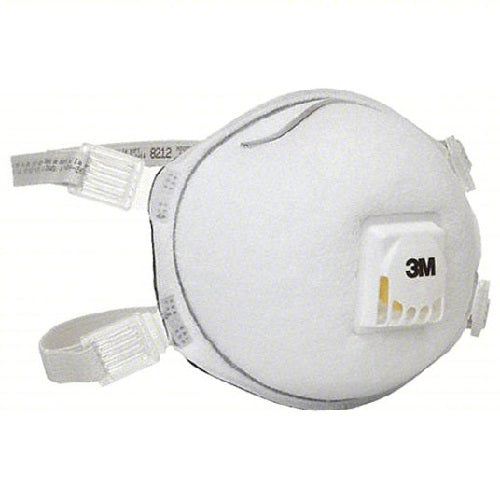
3M 8212 N95 Disposable Welding Respirator with Cool Flow Valve
3M
Original price
$95.30
Original price
$95.30
-
Original price
$95.30
Original price
$95.30
Current price
$91.99
$91.99
-
$91.99
Current price
$91.99
Short answer: the 3m 8212 n95 disposable welding respirator with cool flow is covered below on the specifications its own listing publishes, the st...
View full details
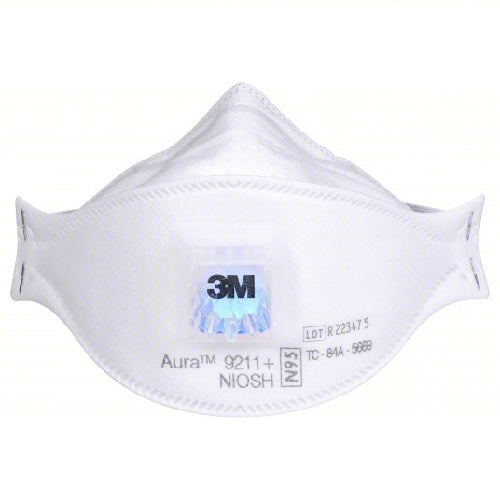
3M 9211+ N95 Disposable Respirator with Cool Flow Valve
3M
Original price
$38.82
Original price
$38.82
-
Original price
$38.82
Original price
$38.82
Current price
$29.17
$29.17
-
$29.17
Current price
$29.17
EDITORIAL REVIEW — 3M 9211+ N95 Disposable Respirator with Cool Flow Valve. Check price on Amazon →As an Amazon Associate, WC Safety earns from qu...
View full details
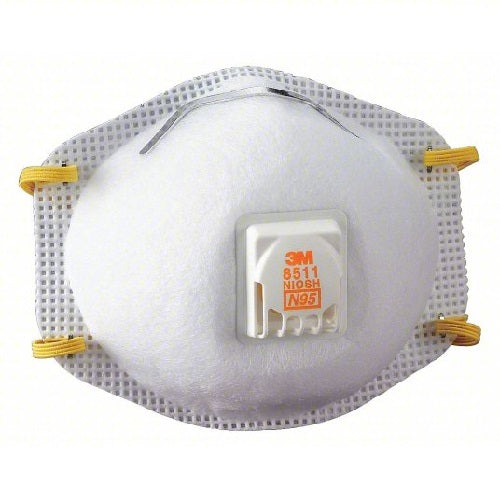
3M 8511 N95 Disposable Respirator with Cool Flow Valve
3M
Original price
$21.99
-
Original price
$21.99
Original price
$21.99
$24.99
$24.99
-
$24.99
Current price
$24.99
EDITORIAL REVIEW — 3M 8511 N95 Disposable Respirator with Cool Flow Valve. Check price on Amazon →As an Amazon Associate, WC Safety earns from qua...
View full details

3M 8210V N95 Disposable Respirator with Cool Flow Valve
3M
Original price
$157.87
Original price
$157.87
-
Original price
$157.87
Original price
$157.87
Current price
$128.16
$128.16
-
$128.16
Current price
$128.16
EDITORIAL REVIEW — 3M 8210V N95 Disposable Respirator with Cool Flow Valve. Check price on Amazon →As an Amazon Associate, WC Safety earns from qu...
View full details