
High Visibility Ear Plugs
Which high-visibility ear plugs should you buy in 2026?
Short answer: The Howard Leight Laser Lite LL-1 — the two-tone magenta-and-yellow foam plug that made hi-vis earplugs a category, with an NRR of 32 that covers nearly any industrial noise environment. If your site requires cords for retrieval or lanyard rules, take the Howard Leight LL-30 corded version; for dispenser-and-bin programs, the Howard Leight R-01204 disposables keep the same plug in a bulk format.
High Visibility Ear Plugs (2026)
High-visibility ear plugs do two jobs: they protect hearing, and they let a supervisor confirm from across the yard that they're actually being worn. The bright two-tone color of the Howard Leight Laser Lite line exists for compliance checks — a foreman can spot the flash of magenta and yellow in an ear at distance, without stopping work for an inspection. This collection covers the Laser Lite family in corded, uncorded, and bulk disposable formats, all rated NRR 32. It lives inside our Hearing Protection collection alongside Foam Ear Plugs, Corded Ear Plugs, and Disposable Ear Plugs. New to hearing protection? Start with When do you need hearing protection.
Editor's pick — Howard Leight Laser Lite LL-1 Cordless Earplugs
The definitive hi-vis foam plug: NRR 32, soft self-adjusting foam that fits most ear canals, and a color scheme supervisors can verify at a glance. Read the full Howard Leight Laser Lite LL-1 review. (We earn a commission on Amazon purchases.)
What this collection covers
- Uncorded box — the Howard Leight Laser Lite LL-1, the standard-issue format for full-shift wear.
- Corded box — the Howard Leight LL-30, same plug with a cord for hang-around-the-neck convenience and drop prevention.
- Smaller uncorded pack — the Howard Leight LL1 uncorded pack for small crews and trial orders.
- Bulk disposables — the Howard Leight R-01204 and Howard Leight R-01205 for bin-and-dispenser hearing conservation programs.
Laser Lite formats compared
| Spec | Laser Lite LL-1 | Laser Lite LL-30 | Laser Lite LL1 pack | Laser Lite R-01204 | Laser Lite R-01205 |
|---|---|---|---|---|---|
| NRR | 32 | 32 | 32 | 32 | 32 |
| Cord | — | ✓ | — | — | — |
| Material | Self-adjusting foam | Self-adjusting foam | Self-adjusting foam | Self-adjusting foam | Self-adjusting foam |
| Reusable | Disposable | Disposable | Disposable | Disposable | Disposable |
| Typical price | $32.19 | $36.29 | $14.06 | $13.53 | $23.16 |
| Best for | Full-shift standard issue | Cord-required sites, on/off wear | Small crews, trial orders | Dispenser/bin programs | Larger bin restock |
Which hi-vis ear plugs should you buy?
- Buy the Howard Leight Laser Lite LL-1 for standard-issue, full-shift hearing protection — this is the default answer.
- Buy the Howard Leight LL-30 if workers pull plugs in and out through the shift, if your site requires corded plugs, or if dropped-plug contamination is a concern.
- Buy the Howard Leight LL1 pack to trial the Laser Lite fit before committing to case quantities.
- Buy the Howard Leight R-01204 or R-01205 to keep gate-entry bins and break-room dispensers stocked in a formal hearing conservation program.
- Buy from our Metal-Detectable Ear Plugs collection instead if you run food processing — visual detectability is not the same as metal detectability.
Shop Laser Lite on Amazon → Laser Lite LL-1 Laser Lite LL-30 Corded Laser Lite R-01204 Laser Lite R-01205
How to choose hi-vis ear plugs
Corded or uncorded
Uncorded plugs like the LL-1 are cheaper per pair and have nothing to snag. Corded plugs like the LL-30 hang around the neck between noise exposures, which means workers reuse the same clean pair through a shift instead of pocketing them. Full trade-off analysis in corded vs cordless ear plugs.
NRR 32 and what you actually get
NRR 32 is among the highest ratings available for foam plugs. In practice, protection depends on insertion: OSHA guidance applies a 7 dB correction when comparing NRR against A-weighted noise measurements, and many hearing conservation programs derate further to account for real-world fit. The fix is training, not a different plug — see how to insert foam earplugs. If you're comparing top-rated options, our highest NRR ear plugs guide covers the field.
The compliance-visibility case
The reason to specify hi-vis over plain foam is auditability. On sites where supervisors must verify hearing protection under OSHA 29 CFR 1910.95, a bright two-tone plug is visible in the ear from yards away — plain beige foam is not. If you're formalizing checks, that visual verification loop is the cheapest control in the whole program.
Dispenser programs and bulk logistics
For gate-entry bins, the R-01204 and R-01205 keep per-pair cost down. Disposable foam is single-use by design — budget on pairs-per-worker-per-shift, and see our best disposable ear plugs guide for program-level comparisons.
When ear plugs aren't enough
Above roughly 100 dBA — abrasive blasting, chipping, some demolition — single protection may not cut it, and doubling up with earmuffs over plugs is standard practice. See dual hearing protection and ear plugs vs ear muffs for where each format wins.
OSHA 1910.95 and hearing conservation context
OSHA's occupational noise standard, 29 CFR 1910.95, sets a permissible exposure limit of 90 dBA as an 8-hour time-weighted average and an action level of 85 dBA, above which employers must run a hearing conservation program — monitoring, audiometric testing, training, and provided hearing protection. NRR is measured under ANSI S3.19 laboratory conditions, which is why field derating matters. The plain-language breakdown is in What is OSHA 29 CFR 1910.95, and how to choose hearing protection walks the selection logic.
Pairs well with
Hi-vis plugs slot into the broader hearing program: browse Construction Hearing Protection for jobsite-wide options, NRR 33 Ear Plugs if you want the absolute top of the foam range, Ear Muffs for doubling up, and Howard Leight Cordless Ear Plugs for the rest of the Howard Leight line. Crews wearing hi-vis plugs are usually wearing hi-vis apparel too — our High Visibility collection covers vests, shirts, and jackets.
Total cost of ownership
Foam plugs are per-shift consumables: one worker, one pair per shift (more with dirty hands or wet work), roughly 250 pairs per worker per year for daily wear. At bulk pricing that's a per-worker annual cost in the tens of dollars — compare that against a single OSHA recordable standard threshold shift and the program pays for itself. Corded pairs like the LL-30 often stretch to fewer pairs per week for intermittent-noise crews since the plugs stay clean around the neck.
Frequently asked questions
What are high-visibility ear plugs for?
The bright two-tone color lets supervisors verify at a distance that workers are wearing hearing protection — a compliance-monitoring feature, not a performance one. Acoustically, the Laser Lite line performs like other premium foam plugs at NRR 32.
What is the NRR of the Laser Lite ear plugs?
Every format in this collection — LL-1, LL-30, and the R-series disposables — carries a Noise Reduction Rating of 32, among the highest available in foam.
Howard Leight LL-1 vs LL-30 — what's the difference?
The plug is the same; the LL-30 adds a cord. Choose corded for on/off wear and cord-required sites; choose the LL-1 for all-day insertion where a cord would snag.
How much protection does NRR 32 really give?
Less than 32 dB in the field. OSHA guidance subtracts 7 dB when comparing an NRR to A-weighted measurements, and many programs derate the remainder further to reflect real-world insertion. A well-inserted foam plug still comfortably protects at typical industrial noise levels — insertion technique is the variable that matters most.
Are hi-vis ear plugs required by OSHA?
No — OSHA 29 CFR 1910.95 requires effective hearing protection above the action level, not any particular color. Sites choose hi-vis plugs to make their own verification and audit processes workable.
Can I reuse Laser Lite foam ear plugs?
They're designed as disposables. Foam recovers slower and seals worse as it loads with oil and grit, and rolling a dirty plug pushes contamination into the ear canal. One pair per shift is the standard program assumption; toss them sooner if they're visibly soiled.
Are these ear plugs metal detectable?
No — high-visibility means visually bright, not metal detectable. Food and pharmaceutical processing lines need plugs with a detectable insert from our Metal-Detectable Ear Plugs collection.
How do I insert foam ear plugs correctly?
Roll the plug into a thin crease-free cylinder, reach over your head to pull the ear up and back, insert well into the canal, and hold while the foam expands. Most underperformance traces to shallow insertion — the full technique with checks is in how to insert foam earplugs.
When should I use earmuffs instead of ear plugs?
Intermittent exposure, hygiene-critical settings, and workers who can't get a reliable plug fit all favor muffs; all-day wear in heat and combination with hard hats and glasses favor plugs. The comparison is covered in ear plugs vs ear muffs.
What noise levels call for doubling up plugs and muffs?
Common practice is dual protection around 100 dBA and above — blasting, chipping, planing. A plug-plus-muff stack adds roughly 5 dB over the higher-rated single protector, not the sum of both ratings. See dual hearing protection.
Which format is best for a gate-entry dispenser program?
The bulk R-01204 and R-01205 — lowest per-pair cost and the same NRR 32 plug workers already know. Keep a corded option on hand for cord-required zones.
Do bright ear plugs help in a safety audit?
Yes, practically speaking: an auditor or supervisor can confirm usage visually without stopping the line. That distance-verification loop is the main operational reason hearing conservation programs specify hi-vis plugs over beige foam.
Why trust this High Visibility Ear Plugs collection? WC Safety operates as an independent industrial PPE review site — we research and review every earplug in this collection for safety managers, procurement teams, and field supervisors. The lineup is curated by our editorial desk, not by Honeywell Howard Leight or paid placement. Every product's NRR and format is checked against the manufacturer's published specifications before listing. Disclosed: WC Safety does not sell or stock any products; we earn Amazon affiliate commissions on outbound clicks, which never influences inclusion or ranking.
Curated by Steven Eaton, WC Safety Editorial — Hearing protection desk · specialization: OSHA 1910.95 hearing conservation programs, NRR selection and derating, and disposable earplug program logistics.
Last reviewed: · Sources reviewed: OSHA 29 CFR 1910.95, ANSI S3.19 NRR test methodology, NIOSH hearing protector guidance, Honeywell Howard Leight Laser Lite product specifications.
Editorial standard: Zero sponsored listings. No manufacturer input. Lineup curated on rating, format, and program fit — not vendor preference.
Last reviewed: · Sources reviewed: OSHA 29 CFR 1910.95, ANSI S3.19 NRR test methodology, NIOSH hearing protector guidance, Honeywell Howard Leight Laser Lite product specifications.
Editorial standard: Zero sponsored listings. No manufacturer input. Lineup curated on rating, format, and program fit — not vendor preference.
How this hi-vis earplug collection is curated: Products are selected and ranked against OSHA 29 CFR 1910.95 hearing conservation requirements, ANSI S3.19 NRR ratings, NIOSH guidance on hearing protector selection and derating, and Honeywell Howard Leight specification sheets. We verify each listing's NRR, cord configuration, and pack format. Reviewed quarterly and on any change to OSHA guidance or the Howard Leight lineup.
Disclosure: WC Safety participates in the Amazon Services LLC Associates Program; we earn commissions on qualifying purchases made through Amazon links on this page. WC Safety reviews every product shown. No listing in this collection is sponsored, and no manufacturer had input into inclusion or ranking. This page is general safety information, not medical, legal, or regulatory advice — noise exposure assessment and hearing conservation program design should be confirmed with a qualified industrial hygienist.
Standards & references
Selection guidance on this page is mapped to these primary sources: Cited for reference only. Standards text is not a substitute for a written program, a hazard assessment, or evaluation by a qualified safety professional.
Selection guidance on this page is mapped to these primary sources: Cited for reference only. Standards text is not a substitute for a written program, a hazard assessment, or evaluation by a qualified safety professional.

Howard Leight LL-1 Laser Lite 50 Count Foam Earplugs (NRR 32, Uncorded)
Howard Leight
Original price
$14.06
-
Original price
$14.06
Original price
$14.06
$14.06
-
$14.06
Current price
$14.06
EDITORIAL REVIEW: 4.5/5 WC Safety Review — the Howard Leight LL-1 Laser Lite 50 count foam earplugs Read the full Howard Leight LL-1 Laser Lite...
View full details
Howard Leight R-01205 Laser Lite Hi-Vis Earplugs, NRR 32
Howard Leight
Original price
$23.16
-
Original price
$23.16
Original price
$23.16
$23.16
-
$23.16
Current price
$23.16
EDITORIAL REVIEW: 4.5/5 WC Safety Review — the Howard Leight R-01205 Laser Lite Hi-Vis earplugs Read the full Howard Leight R-01205 Laser Lite ...
View full details

Howard Leight R-01204 Laser Lite Hi-Vis disposable earplugs
Howard Leight
Original price
$13.53
-
Original price
$32.19
Original price
$13.53
-
$32.19
$13.53
-
$32.19
Current price
$13.53
EDITORIAL REVIEW: 4.5/5 WC Safety Review — the Howard Leight R-01204 Laser Lite Hi-Vis disposable earplugs Read the full Howard Leight R-01204 ...
View full details
Howard Leight LL-30 Laser Lite Corded Earplugs — NRR 32
Howard Leight by Honeywell
Original price
$36.29
-
Original price
$36.29
Original price
$36.29
$36.29
-
$36.29
Current price
$36.29
EDITORIAL REVIEW: 5.0/5WC Safety Review — Howard Leight LL-30 Laser Lite Corded Earplugs Read the full Howard Leight LL-30 Laser Lite Corded Ea...
View full details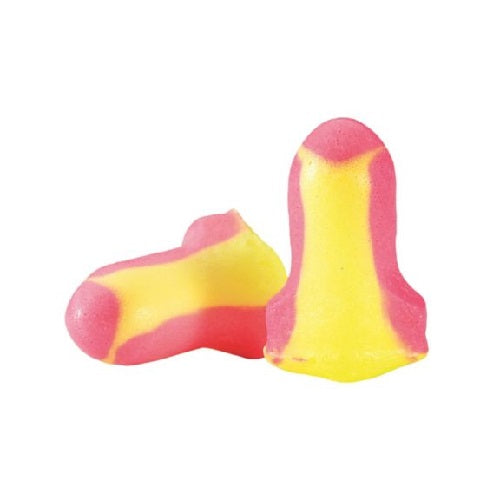
Howard Leight Laser Lite LL-1 Cordless Earplugs — NRR 32
Howard Leight
Original price
$363.55
Original price
$363.55
-
Original price
$363.55
Original price
$363.55
Current price
$32.19
$32.19
-
$32.19
Current price
$32.19
EDITORIAL REVIEW: 4.9/5WC Safety Review — Howard Leight Laser Lite LL-1 Cordless Earplugs Best For: corded single-use foam hearing protection a...
View full details