
Respiratory Protection
NIOSH-Approved · APR vs Supplied-Air · Assigned Protection Factors · Fit-Test Required
Which respirator do you actually need?
Short answer: Answer three questions in order. Is there enough oxygen and is the contaminant below IDLH? If not, only a supplied-air system will do — see supplied-air respirators. If the atmosphere is safe to filter, is your hazard particulate only, or does it include gases and vapors? Particulate-only work is served by a disposable respirator or a reusable half mask; gases and vapors require cartridges from the filters and cartridges range. Finally, can you get a clean face seal? If facial hair or fit problems say no, a loose-fitting PAPR is the answer.
Editor's pick to start with: for most reusable applications the half-mask platform is the right first purchase — browse half mask respirators, then match cartridges to the hazard. It costs less than a full facepiece, accepts the same filter families, and covers the widest range of real tasks.
Affiliate disclosure: WC Safety is an independent review site. As an Amazon Associate we earn from qualifying purchases made through links on this page, at no extra cost to you. We do not sell products directly, and no brand paid for placement.
Our methodology: how this category was curated
This is the strictest screen we run anywhere on the site. Every respirator here must carry a NIOSH approval number stated on the manufacturer's listing, and we treat the approval as covering the complete assembly — facepiece plus filter or cartridge — never a part in isolation. We publish assigned protection factors only as OSHA's own table states them and never estimate one. We do not calculate change schedules, service life, or breakthrough times; those come from the manufacturer's software or your own objective data. And we separate the classes plainly, because the most dangerous error in this category is treating an air-purifying respirator as though it makes any atmosphere survivable. Anything we cannot trace to NIOSH, OSHA, or manufacturer documentation is excluded.
Respiratory Protection (2026)
Respiratory protection is the last line in the hierarchy of controls, used when engineering controls and work practices cannot bring exposure below the permissible limit. OSHA 29 CFR 1910.134 governs it, and the requirement is a program, not a purchase: written procedures, hazard assessment, medical evaluation before use, annual fit testing for tight-fitting respirators, training, cartridge change schedules, and maintenance. NIOSH certifies the equipment itself under 42 CFR Part 84. This hub covers every class we review — disposables, reusable half masks and full facepieces, powered air, and supplied air — plus the filters, fit-test kits, and task-specific configurations that go with them.
Where to go from here
Most people arrive at respiratory protection knowing their task but not their respirator class. Route by what you are facing:
- By class — disposable (including N95 and P100 disposable), half mask, full facepiece, powered air (PAPR), and supplied air.
- By task — silica dust, mold remediation, paint spraying, and welding.
- Consumables — filters and cartridges, and PAPR parts.
- Program equipment — fit test kits, without which a tight-fitting respirator cannot be issued at work.
- Emergency egress — fire escape hoods, which are escape-only devices and never work respirators.
Respirator class comparison
| Class | How it works | OSHA APF | Fit test? | Typical use |
|---|---|---|---|---|
| Filtering facepiece | Filters particulates | 10 | Yes | Dust, sanding |
| Half mask APR | Filters or adsorbs | 10 | Yes | Solvents, paint, dust |
| Full facepiece APR | Same, plus eye cover | 50 | Yes | Higher concentrations |
| PAPR | Blower forces filtered air | Varies by configuration | Tight-fitting only | Beards, long shifts, heat |
| Supplied air | External clean-air source | Varies by configuration | Tight-fitting only | Oxygen-deficient, IDLH |
How to choose respiratory protection
Air-purifying or supplied-air — the question that comes first
An air purifying respirator cleans the air that is already around you. It removes contaminants; it does not create oxygen. That means in an oxygen-deficient atmosphere — OSHA treats below 19.5 percent as oxygen deficient — or in any atmosphere immediately dangerous to life or health, an APR offers no protection at all and wearing one is itself the hazard. Confined spaces, tank entries, and unknown atmospheres belong to supplied-air systems, full stop. Every other decision on this page assumes you have already confirmed the atmosphere is safe to filter.
What is an assigned protection factor, and how do you use it?
The APF is the workplace exposure reduction a properly functioning respirator is expected to provide. OSHA's table in 1910.134 assigns 10 to filtering facepieces and half masks, and 50 to full-facepiece air-purifying respirators; PAPR and supplied-air values vary by configuration and run considerably higher. Used correctly it is arithmetic: divide the measured exposure by the APF and compare the result to the permissible exposure limit. If a half mask at APF 10 does not bring you under the limit, the answer is a higher class of respirator — not a tighter strap.
Why does facial hair disqualify most respirators?
Tight-fitting respirators seal against skin. Stubble or a beard crossing the sealing surface breaks that seal, and no amount of strap tension fixes it — the leak path simply moves. OSHA prohibits tight-fitting respirators where facial hair interferes with the seal or with valve function, which is why fit testing is done clean-shaven at the sealing surface. Workers who will not or cannot shave are not out of options: a loose-fitting PAPR hood or helmet maintains positive pressure without needing a face seal, and is the standard accommodation.
What does the program require beyond the respirator itself?
Buying an elastomeric mask is the smallest part of compliance. Before an employee wears a tight-fitting respirator at work, OSHA requires a medical evaluation, then a fit test on the exact make, model, and size — repeated at least annually. Add written procedures, training on limitations and seal checks, cartridge change schedules, cleaning and storage, and program evaluation. Voluntary users of filtering facepieces still receive the Appendix D information sheet. Our reference pages cover the general industry standard, the construction equivalent, and the ANSI Z88.2 program standard.
Regulatory context: NIOSH approval and OSHA compliance
The two authorities do different jobs. NIOSH certifies equipment under 42 CFR Part 84 and issues an approval number covering a complete assembly — swap in another maker's cartridge and the approval no longer applies, even if the threads match. OSHA regulates the employer's use of that equipment under 1910.134 for general industry and 1926.103 for construction. Two practical consequences follow. First, "NIOSH approved" on a component is only meaningful in the context of its approved assembly. Second, no respirator is compliant on its own: the same mask is compliant on a fit-tested, medically cleared worker following a change schedule, and non-compliant on the next person who picks it up. Imported filtering facepieces certified to other standards, such as KN95, are not NIOSH-approved and do not satisfy a US workplace program — the comparison is covered in our guide to N95 vs KN95 vs P100.
What pairs with a respirator mask
Respiratory hazards rarely arrive alone. Grinding and cutting bring in eye protection and hearing protection; chemical handling adds hand protection; overhead work adds head protection. Note the interaction that catches crews out: a half mask and safety glasses compete for the same nose bridge, and a poor combination fogs lenses or breaks the respirator seal — test them together, not separately. Storage matters too, since a respirator left in a dusty truck bed is contaminated before its next use; see how to store respirators and PPE.
Total cost of ownership
Disposables look cheapest per unit and are usually the most expensive per year in steady use, because every shift consumes one. A reusable half mask amortizes across a season with only cartridges and filters as recurring cost, and a PAPR — the highest upfront outlay in this hub — pays back where comfort drives compliance, since the protection you get is the protection actually worn for the full shift. Two costs people forget: fit testing is annual and per-model, so standardizing a crew on one platform reduces it, and cartridges have a shelf life whether or not you open them, making bulk buying past your usage rate a false economy.
Respiratory protection FAQ
How do I choose the right type of respirator for my hazard?
Confirm the atmosphere is not oxygen-deficient or IDLH — if it is, only supplied air will do. Then match the media to the contaminant: filters for particulates, cartridges for gases and vapors, combination units for both. Finally choose a class whose assigned protection factor brings measured exposure below the permissible limit.
What do the N95, R95, P95, and P100 ratings mean?
The letter is oil resistance — N is not oil resistant, R is resistant for limited use, P is oil proof. The number is filtration efficiency against the test aerosol: 95, 99, or 99.97 percent for the class labelled 100. They describe particulate filters only and say nothing about gases or vapors.
What is the difference between air-purifying and supplied-air respirators?
Air-purifying respirators filter or adsorb contaminants from the surrounding air and cannot add oxygen. Supplied-air respirators deliver breathable air from a separate source. Oxygen-deficient and IDLH atmospheres require supplied air; an APR provides no protection there.
What is an assigned protection factor?
The exposure reduction OSHA credits a respirator class with when used correctly in a compliant program. OSHA's table assigns 10 to filtering facepieces and half masks and 50 to full-facepiece air-purifying respirators, with PAPR and supplied-air values varying by configuration.
Do I need a fit test, and how often?
Yes for any tight-fitting respirator used at work, on the exact make, model, and size, before first use and at least annually. Loose-fitting PAPR hoods and helmets do not require fit testing because they do not rely on a face seal.
Can I wear a respirator with a beard?
Not a tight-fitting one. Facial hair crossing the sealing surface breaks the seal and OSHA prohibits it. A loose-fitting PAPR hood or helmet is the standard accommodation and requires no face seal.
Are these respirators OSHA compliant?
Equipment is NIOSH-approved; compliance is a property of your program, not the product. The same respirator is compliant on a medically cleared, fit-tested, trained worker and non-compliant on someone who has had none of that.
Is a KN95 the same as an N95?
No. KN95 is certified to a Chinese standard, not NIOSH-approved under 42 CFR Part 84, so it does not satisfy a US workplace respiratory protection program even where filtration performance looks comparable.
When do I replace a disposable respirator versus a cartridge or filter?
Discard a disposable when it is damaged, soiled, hard to breathe through, or the seal is compromised — and per your program's rules. Particulate filters are replaced when breathing resistance rises; gas and vapor cartridges follow a documented change schedule or an end-of-service-life indicator, never smell.
Will a respirator protect me when working with asbestos?
P100 is the filter class used for asbestos, but asbestos work is separately regulated under OSHA 1910.1001 with its own exposure assessment, respirator selection, and training requirements. Do not treat buying a P100 as satisfying that standard — read the regulation or engage a licensed abatement contractor.
Can I use an escape hood as a work respirator?
No. Escape hoods are single-use egress devices rated to get you out of an atmosphere, not to let you work in one. They are not fit tested and carry no work-use approval.
Do respirators expire?
The facepiece degrades with age, heat, and cleaning chemicals, and cartridges carry a shelf life stated on the packaging. Inspect elastomers, valves, and straps before each use, and follow the manufacturer's service-life limits.
Why trust WC Safety on respiratory protection?
WC Safety reviews workplace PPE full-time as an independent affiliate site — we do not sell products, hold no inventory, and accept no paid placements. This is the category where we hold the hardest line: every protection factor, exposure rule, and program requirement above is quoted from OSHA 29 CFR 1910.134, NIOSH 42 CFR Part 84, or ANSI Z88.2, with sources linked. We do not estimate protection factors, calculate change schedules, or imply that any purchase substitutes for a fit test and a written program. Reviewed by Steven Eaton, WC Safety editor. Last reviewed: July 2026.

3M Versaflo TR-800-PSK Intrinsically Safe PAPR Kit for Painters (Powered Air-Purifying Respirator)
3M
Original price
$2,470.84
-
Original price
$2,470.84
Original price
$2,470.84
$2,470.84
-
$2,470.84
Current price
$2,470.84
EDITORIAL REVIEW: 4.5/5 WC Safety Review — 3M Versaflo TR-800-PSK Intrinsically Safe PAPR Kit (for Painters) Editorial assessment by Steven Eat...
View full details

3M Versaflo TR-800-HIK Intrinsically Safe Heavy Industry PAPR Kit
3M
Original price
$2,169.02
-
Original price
$2,169.02
Original price
$2,169.02
$2,169.02
-
$2,169.02
Current price
$2,169.02
EDITORIAL REVIEW — 3M Versaflo TR-800-HIK Intrinsically Safe Heavy Industry PAPR Kit Assessed on the standards the product is actually certified t...
View full details
3M Versaflo TR-800-ECK Easy Clean PAPR kit
3M
Original price
$2,455.80
-
Original price
$2,455.80
Original price
$2,455.80
$2,455.80
-
$2,455.80
Current price
$2,455.80
EDITORIAL REVIEW: 4.7/5 WC Safety Review — the 3M Versaflo TR-800-ECK Easy Clean PAPR kit Editorial assessment by Steven Eaton, WC Safety edito...
View full details
3M Versaflo TR-600-HKS PAPR Kit — Healthcare, Small Loose-Fitting Headcover
3M
Original price
$2,095.91
-
Original price
$2,095.91
Original price
$2,095.91
$2,095.91
-
$2,095.91
Current price
$2,095.91
EDITORIAL REVIEW: 4.5/5 WC Safety Review of the 3M Versaflo TR-600-HKS PAPR kit, small headcover Editorial assessment by Steven Eaton, WC Safet...
View full details
3M Versaflo PAPR Kit TR-600-HKL — Healthcare Powered Air Respirator, Large Headcover
3M
Original price
$1,828.24
-
Original price
$1,828.24
Original price
$1,828.24
$1,828.24
-
$1,828.24
Current price
$1,828.24
EDITORIAL REVIEW: 4.5/5 WC Safety Review — 3M Versaflo TR-600-HKL Healthcare PAPR Kit — Large Headcover Editorial assessment by Steven Eaton, W...
View full details
3M Versaflo TR-600-HIK Heavy Industry PAPR Kit
3M
Original price
$2,976.90
-
Original price
$2,976.90
Original price
$2,976.90
$2,976.90
-
$2,976.90
Current price
$2,976.90
EDITORIAL REVIEW — 3M Versaflo TR-600-HIK Heavy Industry PAPR Kit Assessed on the standards the product is actually certified to and on how the fo...
View full details
3M Versaflo TR-300N+ ECK PAPR Respirator Kit — Easy Clean Powered Air-Purifying (Loose-Fitting, No Fit Test)
3M
Original price
$749.99
-
Original price
$749.99
Original price
$749.99
$749.99
-
$749.99
Current price
$749.99
EDITORIAL REVIEW: 4.5/5 WC Safety Review — 3M Versaflo TR-300N+ ECK PAPR Respirator Kit (Easy Clean) Editorial assessment by Steven Eaton, WC S...
View full details
3M Versaflo TR-300N+ HIK Heavy Industry PAPR Kit, HE Filter, ~12 Hr Runtime
3M
Original price
$2,015.02
-
Original price
$2,015.02
Original price
$2,015.02
$2,015.02
-
$2,015.02
Current price
$2,015.02
EDITORIAL REVIEW: 4.5/5 WC Safety Review — the 3M Versaflo TR-300N+ HIK Heavy Industry PAPR kit Editorial assessment by Steven Eaton, WC Safety...
View full details
3M Versaflo TR-300-ECK Easy Clean PAPR Kit
3M
Original price
$799.99
-
Original price
$799.99
Original price
$799.99
$799.99
-
$799.99
Current price
$799.99
EDITORIAL REVIEW — 3M Versaflo TR-300-ECK Easy Clean PAPR Kit Assessed on the standards the product is actually certified to and on how the format...
View full details
3M Versaflo TR-300-HIK Heavy Industry PAPR Kit
3M
Original price
$1,920.00
-
Original price
$1,920.00
Original price
$1,920.00
$1,920.00
-
$1,920.00
Current price
$1,920.00
EDITORIAL REVIEW — 3M Versaflo TR-300-HIK Heavy Industry PAPR Kit Assessed on the standards the product is actually certified to and on how the fo...
View full details

3M 8214 N95 Disposable Welding Respirator with Cool Flow Valve Nuisance Organic Vapor Relief
3M
Original price
$114.50
Original price
$114.50
-
Original price
$114.50
Original price
$114.50
Current price
$86.65
$86.65
-
$86.65
Current price
$86.65
EDITORIAL REVIEW — 3M 8214 N95 Disposable Welding Respirator with Cool Flow Valve Nuisance Organic Vapor Relief. Check price on Amazon →As an Amaz...
View full details

3M 8293 P100 Disposable Respirator with Face Seal and Cool Flow Valve
3MEDITORIAL REVIEW — 3M 8293 P100 Judged on the published NIOSH designation, the protection factor OSHA actually assigns it, and how the format fits...
View full details

3M 8233 N100 Disposable Respirator
3M
Original price
$17.12
Original price
$17.12
-
Original price
$17.12
Original price
$17.12
Current price
$13.98
$13.98
-
$13.98
Current price
$13.98
EDITORIAL REVIEW — 3M 8233 N100 Disposable Respirator. Check price on Amazon →As an Amazon Associate, WC Safety earns from qualifying purchases. W...
View full details

3M 8246 R95 Disposable Respirator Nuisance Level Acid Gas Relief
3M
Original price
$109.67
Original price
$109.67
-
Original price
$109.67
Original price
$109.67
Current price
$109.32
$109.32
-
$109.32
Current price
$109.32
EDITORIAL REVIEW — 3M 8246 R95 Disposable Respirator Nuisance Level Acid Gas Relief. Check price on Amazon →As an Amazon Associate, WC Safety earn...
View full details

3M 8247 R95 Disposable Respirator Nuisance Level Organic Vapor Relief
3M
Original price
$109.67
Original price
$109.67
-
Original price
$109.67
Original price
$109.67
Current price
$75.05
$75.05
-
$75.05
Current price
$75.05
EDITORIAL REVIEW — 3M 8247 R95 Disposable Respirator Nuisance Level Organic Vapor Relief. Check price on Amazon →As an Amazon Associate, WC Safety...
View full details

3M 8271 P95 Disposable Respirator with Cool Flow Valve
3M
Original price
$446.24
Original price
$446.24
-
Original price
$446.24
Original price
$446.24
Current price
$42.34
$42.34
-
$42.34
Current price
$42.34
EDITORIAL REVIEW — 3M 8271 P95 Disposable Respirator with Cool Flow Valve. Check price on Amazon →As an Amazon Associate, WC Safety earns from qua...
View full details

3M 8577 P95 Disposable Respirator Nuisance Organic Vapor Protection with Cool Flow Valve
3M
Original price
$11.99
Original price
$11.99
-
Original price
$11.99
Original price
$11.99
Current price
$11.29
$11.29
-
$11.29
Current price
$11.29
EDITORIAL REVIEW — 3M 8577 P95 Disposable Respirator Nuisance Organic Vapor Protection with Cool Flow Valve. Check price on Amazon →As an Amazon A...
View full details
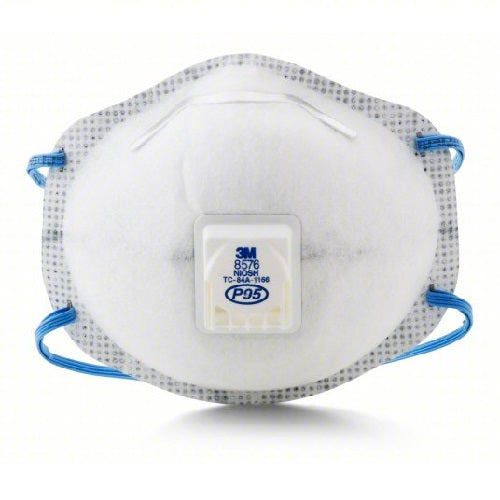
3M 8576 P95 Disposable Respirator Nuisance Acid Gas Protection with Cool Flow Valve
3M
Original price
$75.64
Original price
$75.64
-
Original price
$75.64
Original price
$75.64
Current price
$74.88
$74.88
-
$74.88
Current price
$74.88
EDITORIAL REVIEW — 3M 8576 P95 Disposable Respirator Nuisance Acid Gas Protection with Cool Flow Valve. Check price on Amazon →As an Amazon Associ...
View full details

3M 8515HA1-A N95 Welding Disposable Respirator with Cool Flow Valve
3M
Original price
$15.99
Original price
$15.99
-
Original price
$15.99
Original price
$15.99
Current price
$13.98
$13.98
-
$13.98
Current price
$13.98
EDITORIAL REVIEW — 3M 8515HA1-A N95 Welding Disposable Respirator with Cool Flow Valve. Check price on Amazon →As an Amazon Associate, WC Safety e...
View full details
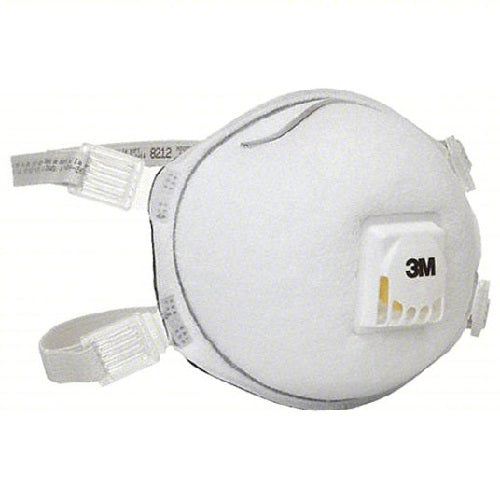
3M 8212 N95 Disposable Welding Respirator with Cool Flow Valve
3M
Original price
$95.30
Original price
$95.30
-
Original price
$95.30
Original price
$95.30
Current price
$91.99
$91.99
-
$91.99
Current price
$91.99
Short answer: the 3m 8212 n95 disposable welding respirator with cool flow is covered below on the specifications its own listing publishes, the st...
View full details
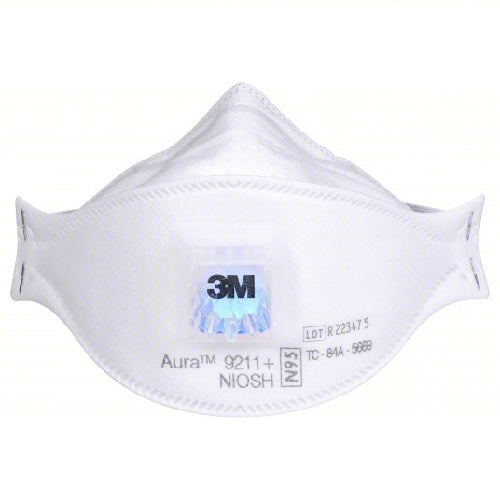
3M 9211+ N95 Disposable Respirator with Cool Flow Valve
3M
Original price
$38.82
Original price
$38.82
-
Original price
$38.82
Original price
$38.82
Current price
$29.17
$29.17
-
$29.17
Current price
$29.17
EDITORIAL REVIEW — 3M 9211+ N95 Disposable Respirator with Cool Flow Valve. Check price on Amazon →As an Amazon Associate, WC Safety earns from qu...
View full details
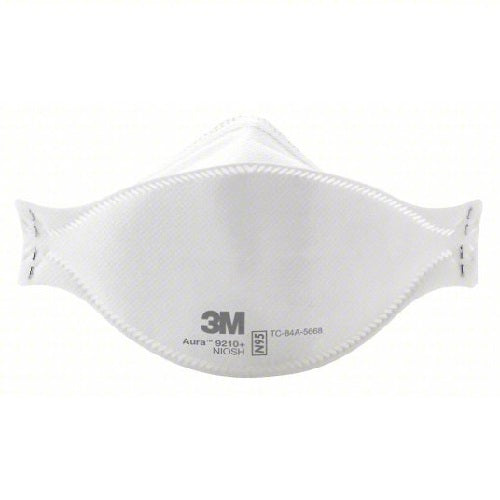
3M 9210+ N95 Disposable Respirator
3M
Original price
$39.18
Original price
$39.18
-
Original price
$39.18
Original price
$39.18
Current price
$31.58
$31.58
-
$31.58
Current price
$31.58
EDITORIAL REVIEW — 3M 9210+ N95 Disposable Respirator. Check price on Amazon →As an Amazon Associate, WC Safety earns from qualifying purchases. W...
View full details
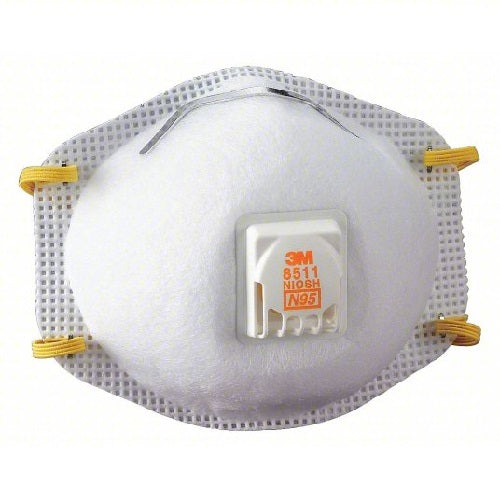
3M 8511 N95 Disposable Respirator with Cool Flow Valve
3M
Original price
$21.99
-
Original price
$21.99
Original price
$21.99
$24.99
$24.99
-
$24.99
Current price
$24.99
EDITORIAL REVIEW — 3M 8511 N95 Disposable Respirator with Cool Flow Valve. Check price on Amazon →As an Amazon Associate, WC Safety earns from qua...
View full details
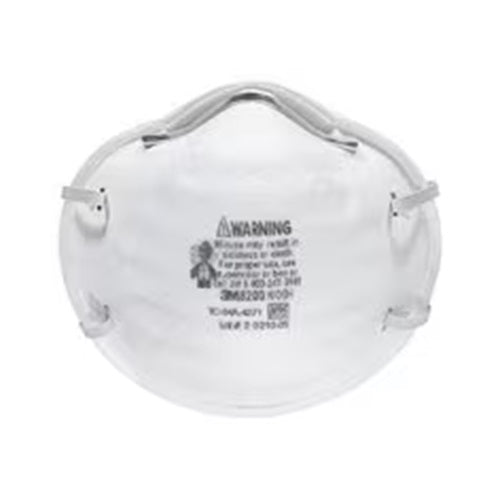
3M 8200 N95 Disposable Respirator
3M
Original price
$18.56
-
Original price
$18.56
Original price
$18.56
$21.99
$21.99
-
$21.99
Current price
$21.99
EDITORIAL REVIEW — 3M 8200 N95 Disposable Respirator. Check price on Amazon →As an Amazon Associate, WC Safety earns from qualifying purchases. WC...
View full details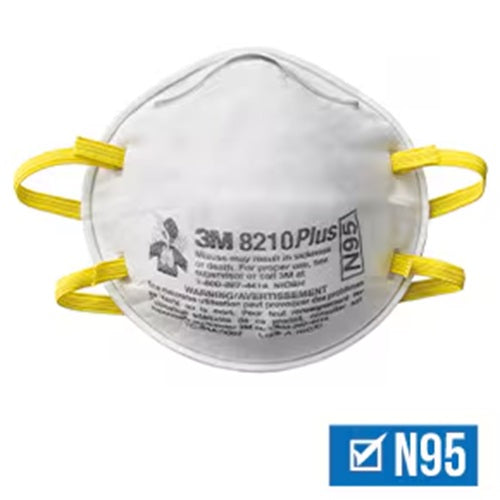
3M 8210Plus N95 Disposable Respirator
3M
Original price
$25.49
-
Original price
$25.49
Original price
$25.49
$25.49
-
$25.49
Current price
$25.49
EDITORIAL REVIEW — 3M 8210Plus N95 Disposable Respirator. Check price on Amazon →As an Amazon Associate, WC Safety earns from qualifying purchases...
View full details

3M 8210V N95 Disposable Respirator with Cool Flow Valve
3M
Original price
$157.87
Original price
$157.87
-
Original price
$157.87
Original price
$157.87
Current price
$128.16
$128.16
-
$128.16
Current price
$128.16
EDITORIAL REVIEW — 3M 8210V N95 Disposable Respirator with Cool Flow Valve. Check price on Amazon →As an Amazon Associate, WC Safety earns from qu...
View full details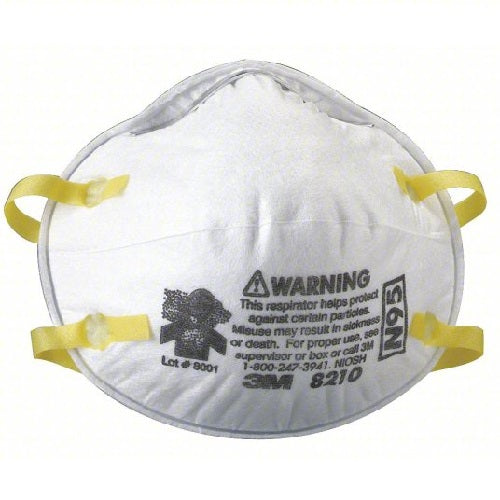
3M 8210 N95 Disposable Respirator
3M
Original price
$32.40
Original price
$32.40
-
Original price
$32.40
Original price
$32.40
Current price
$21.99
$21.99
-
$21.99
Current price
$21.99
EDITORIAL REVIEW — 3M 8210 N95 Disposable Respirator. Check price on Amazon →As an Amazon Associate, WC Safety earns from qualifying purchases. WC...
View full details