
Mold Remediation Respirators
NIOSH-Approved Particulate Respirators · N95 · N99 · N100 · P100 · Filtering Facepieces Only
Which mold remediation respirator should you wear?
Short answer: for a small, contained clean-up, a well-fitting N95 is the recognized minimum — the 3M 8511 and Moldex 2200N95 are the reference models. For heavier work, wetter material, or anyone who wants more margin, step to P100 filtration with the 3M 8293 or Moldex 4400P100. Every respirator on this page is a disposable filtering facepiece.
Editor's pick: the 3M 9205+ Aura — the flat-fold panel design seals well across a wider range of face shapes than a molded cup, which matters far more than the rating number, because a respirator that leaks at the edges is not delivering its rated filtration.
Affiliate disclosure: WC Safety is an independent review site. As an Amazon Associate we earn from qualifying purchases made through links on this page, at no extra cost to you. We do not sell products directly, and no brand paid for placement.
Our methodology: how this collection was curated
We list only respirators with a NIOSH approval class stated by the manufacturer, and we record that class exactly — N95, N99, N100, or P100 — without translating between them or implying a mold-specific certification, because none exists. We are equally explicit about what these products are not: every item here is a filtering facepiece, none accepts a replaceable cartridge, and none provides gas or vapour protection. Where a model carries a nuisance-level relief layer we treat that as an odour feature and say so, rather than presenting it as a second protection class.
Mold Remediation Respirators (2026)
Disturbing mold sends spores and fragments airborne in far greater numbers than an undisturbed colony ever does, which is why respiratory protection belongs on before the first piece of drywall comes out, not after the dust appears. The EPA's mold clean-up guidance treats roughly ten square feet of contamination as the practical dividing line between a job you can handle yourself and one worth bringing a professional in for, and recommends an N-95 respirator as the minimum for the smaller category. For workplace use the governing rule is OSHA 29 CFR 1910.134, which requires medical evaluation, fit testing, and a written program before an employee wears a tight-fitting respirator. Approval classes themselves come from NIOSH under 42 CFR Part 84 — you can confirm any model against the CDC NIOSH-approved respirator list.
What this collection covers
Fifty-eight disposable respirators from Moldex, 3M, Gerson, Honeywell, Gateway Safety, SAS Safety, KleenGuard, Pyramex, and Kimberly-Clark, spanning every particulate class:
- N95 — the EPA-recommended minimum for small jobs: 3M 8511, Moldex 2200N95, 3M 9205+ Aura.
- N99 and N100 — more margin without moving to oil-resistant media: Gerson 1750 N99, Moldex 4700N100.
- P100 — the highest filtration available in a disposable: 3M 8293, Moldex 4400P100, Honeywell SAF-T-FIT Plus.
- Nuisance-relief models — read the section below before buying these: Moldex 4800N95, Gerson 1745.
Related: N95 respirators, P100 disposable respirators, valved respirators, and disposable respirators generally. Moving beyond disposables means half mask respirators plus filters and cartridges. Remediation also needs safety goggles and disposable coveralls.
Filtration class comparison
| Class | Minimum efficiency | Oil resistance | Typical mold use |
|---|---|---|---|
| N95 | 95% | Not oil resistant | Small contained clean-up |
| N99 | 99% | Not oil resistant | Extended or dusty work |
| N100 | 99.97% | Not oil resistant | Heavy demolition |
| P100 | 99.97% | Oil resistant | Mixed contaminants, max margin |
How to choose a respirator for mold removal
Does a nuisance-OV layer protect you from mold smell and vapours?
No, and this is the most consequential misunderstanding in the category. Several respirators here — the Moldex 4800N95 and Gerson 1745 among them — carry a "nuisance level" organic vapour or acid gas relief layer. That layer is a comfort feature intended to reduce odour at concentrations below the permissible exposure limit. It is not a rated gas or vapour cartridge and it must never be relied on as respiratory protection against vapours. This matters unusually much for mold, because the musty smell people are trying to escape is microbial VOCs — a genuine gas-phase contaminant. If you can smell mold through the mask, the mask is not failing at its job; filtering particulates is its job. If vapour exposure is a real concern, a filtering facepiece of any class is the wrong tool and you need a half mask respirator with an appropriate cartridge.
Is there a special respirator for black mold?
No. Respirator filters work by particle size and physical capture mechanisms, not by identifying species, so nothing is certified as a "black mold" mask and no product filters Stachybotrys differently from any other spore. A NIOSH-approved N95 or better handles mold spores as the particulates they are, whatever the color of the colony. Treat any product marketed specifically as a black-mold mask with suspicion — the claim describes marketing, not a filtration property.
What about asbestos, lead paint, or bleach?
Stop and reassess, because these change the job entirely. Water-damaged buildings from before the late 1970s can contain asbestos and lead paint alongside the mold, and asbestos work is governed by OSHA 29 CFR 1910.1001 with its own exposure assessment and program requirements — a disposable respirator is not an adequate control for it. Bleach and other biocides release irritant gases that particulate filters do nothing about, and mixing bleach with ammonia products is genuinely dangerous. None of the respirators on this page addresses any of those hazards.
Do I need a fit test, and does facial hair matter?
For workplace use, yes on both counts. OSHA 1910.134 requires a medical evaluation and a fit test before an employee wears a tight-fitting respirator, and the test must be repeated annually. Facial hair crossing the sealing surface breaks the seal, and no amount of strap tension compensates — the leak simply bypasses the filter. Homeowners doing voluntary clean-up are not bound by the fit-testing rule, but the physics is identical: an N95 that leaks at the cheeks delivers nowhere near 95%.
Using and retiring a mold mask correctly
Put the respirator on before entering the work area and take it off after leaving, because the airborne concentration peaks while material is being disturbed and stays elevated afterwards. Discard a filtering facepiece when it becomes damaged, visibly soiled, or noticeably harder to breathe through, and always after work with wet or heavily contaminated material — moisture degrades filter media, and mold work is wet work by definition. These are single-use products by design; our reference on reusing an N95 covers the limits. For jobs beyond a small area, or repeated remediation work, an elastomeric respirator such as the Moldex 9000 Series or 3M 6000 Series full face is a better answer, adding eye protection and a replaceable filter — those are separate products, not part of this collection.
Further reading: P100 vs N95 explains the class letters and numbers in full, and what is a dust mask covers why an unrated dust mask is not a substitute for a NIOSH-approved respirator.
Mold respirator FAQ
What respirator do I need for mold remediation?
An N95 is the EPA-recommended minimum for small contained clean-ups, with P100 giving more margin for heavier or wetter work. Fit matters more than the class number, since a leaking respirator never delivers its rated filtration.
Does a nuisance-OV respirator protect against mold vapours?
No. Nuisance-level relief reduces odour below the permissible exposure limit and is not a rated gas or vapour cartridge. The musty smell is microbial VOCs, which particulate filters do not remove — if vapour exposure is a real concern, you need a half mask with an appropriate cartridge.
Is there a special mask for black mold?
No. Filters capture by particle size, not species, so no respirator is certified for black mold specifically. A NIOSH-approved N95 or better treats all mold spores as particulates regardless of the colony's color.
Will a surgical or cloth face mask work for mold?
No. Surgical and cloth masks are not NIOSH-approved respirators, are not fit tested, and leak substantially around the edges. Only a NIOSH-approved respirator provides a rated level of protection.
N95 or P100 for mold removal?
N95 meets the EPA minimum for small jobs; P100 filters at least 99.97% and is oil resistant, which is worth having for heavy demolition, extended exposure, or where other contaminants may be present. Both are single-use filtering facepieces here.
Do I need a fit test to wear one?
For workplace use, yes — OSHA 29 CFR 1910.134 requires a medical evaluation and an annual fit test before an employee wears a tight-fitting respirator. Voluntary home use is not covered by the rule, but a poor seal reduces protection just as much.
Does facial hair affect the seal?
Yes. Hair crossing the sealing surface prevents a seal, and air takes the leak path rather than passing through the filter. No strap adjustment compensates for it.
Can I use the same respirator for mold and asbestos?
No. Asbestos work is governed by its own OSHA standard with exposure assessment and program requirements, and a disposable filtering facepiece is not an adequate control for most of it. If you suspect asbestos, stop work and get the material assessed.
Does a respirator help with the bleach used to clean mold?
No. Bleach and other biocides release irritant gases, and particulate filters remove particles only. Ventilate the area, and never mix bleach with ammonia-based products.
How often should I replace a disposable mold mask?
Discard it when damaged, soiled, or harder to breathe through, and after any work with wet or heavily contaminated material. Moisture degrades filter media, and mold remediation is inherently wet work.
Should the respirator have an exhalation valve?
For mold work a valve is generally helpful — it reduces heat and moisture build-up during physical work, which improves the odds the respirator stays on. Valved models protect the wearer normally; they simply do not filter what the wearer breathes out.
Is a respirator enough on its own for mold remediation?
No. Remediation also calls for eye protection that seals against splashes and airborne debris, and disposable coveralls to avoid carrying spores out of the work area on clothing. A respirator addresses inhalation only.
Why trust WC Safety on respiratory protection?
WC Safety reviews workplace PPE full-time as an independent affiliate site — we do not sell products, hold no inventory, and accept no paid placements. In this category that independence mostly shows up as saying no: no respirator here is certified for black mold, none provides vapour protection, a nuisance-relief layer is an odour feature rather than a second protection class, and none of these is adequate for asbestos. Approval classes are reported exactly as NIOSH lists them, never translated between standards, and we state plainly that every product on this page is a disposable filtering facepiece. Standards referenced are NIOSH 42 CFR Part 84, OSHA 29 CFR 1910.134 and 1910.1001, and EPA mold remediation guidance. Reviewed by Steven Eaton, WC Safety editor. Last reviewed: July 2026.


3M 8233 N100 Disposable Respirator
3M
Original price
$17.12
Original price
$17.12
-
Original price
$17.12
Original price
$17.12
Current price
$13.98
$13.98
-
$13.98
Current price
$13.98
EDITORIAL REVIEW — 3M 8233 N100 Disposable Respirator. Check price on Amazon →As an Amazon Associate, WC Safety earns from qualifying purchases. W...
View full details

3M 8515HA1-A N95 Welding Disposable Respirator with Cool Flow Valve
3M
Original price
$15.99
Original price
$15.99
-
Original price
$15.99
Original price
$15.99
Current price
$13.98
$13.98
-
$13.98
Current price
$13.98
EDITORIAL REVIEW — 3M 8515HA1-A N95 Welding Disposable Respirator with Cool Flow Valve. Check price on Amazon →As an Amazon Associate, WC Safety e...
View full details
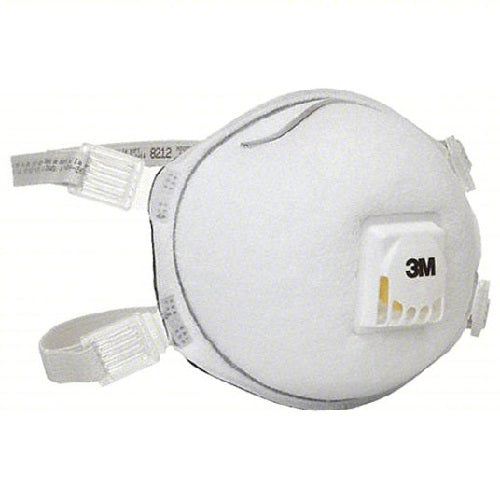
3M 8212 N95 Disposable Welding Respirator with Cool Flow Valve
3M
Original price
$95.30
Original price
$95.30
-
Original price
$95.30
Original price
$95.30
Current price
$91.99
$91.99
-
$91.99
Current price
$91.99
Short answer: the 3m 8212 n95 disposable welding respirator with cool flow is covered below on the specifications its own listing publishes, the st...
View full details
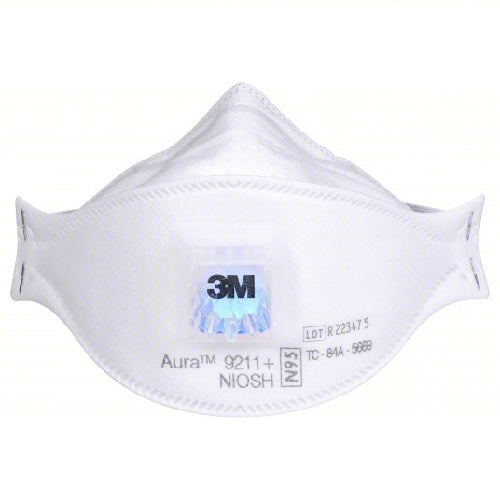
3M 9211+ N95 Disposable Respirator with Cool Flow Valve
3M
Original price
$38.82
Original price
$38.82
-
Original price
$38.82
Original price
$38.82
Current price
$29.17
$29.17
-
$29.17
Current price
$29.17
EDITORIAL REVIEW — 3M 9211+ N95 Disposable Respirator with Cool Flow Valve. Check price on Amazon →As an Amazon Associate, WC Safety earns from qu...
View full details
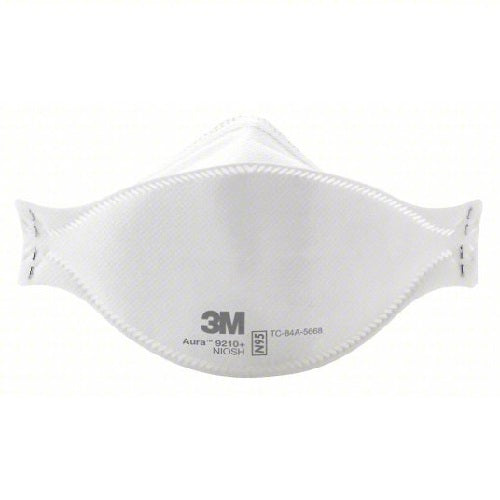
3M 9210+ N95 Disposable Respirator
3M
Original price
$39.18
Original price
$39.18
-
Original price
$39.18
Original price
$39.18
Current price
$31.58
$31.58
-
$31.58
Current price
$31.58
EDITORIAL REVIEW — 3M 9210+ N95 Disposable Respirator. Check price on Amazon →As an Amazon Associate, WC Safety earns from qualifying purchases. W...
View full details
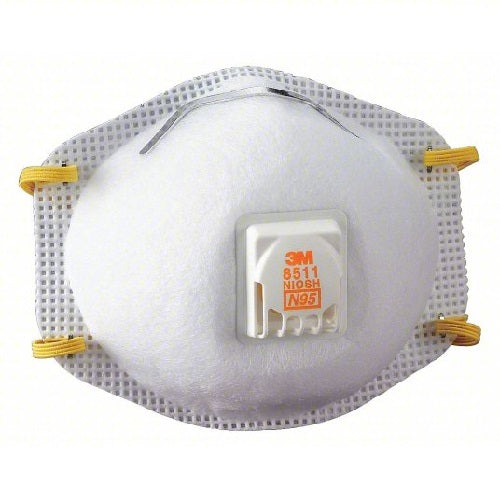
3M 8511 N95 Disposable Respirator with Cool Flow Valve
3M
Original price
$21.99
-
Original price
$21.99
Original price
$21.99
$24.99
$24.99
-
$24.99
Current price
$24.99
EDITORIAL REVIEW — 3M 8511 N95 Disposable Respirator with Cool Flow Valve. Check price on Amazon →As an Amazon Associate, WC Safety earns from qua...
View full details
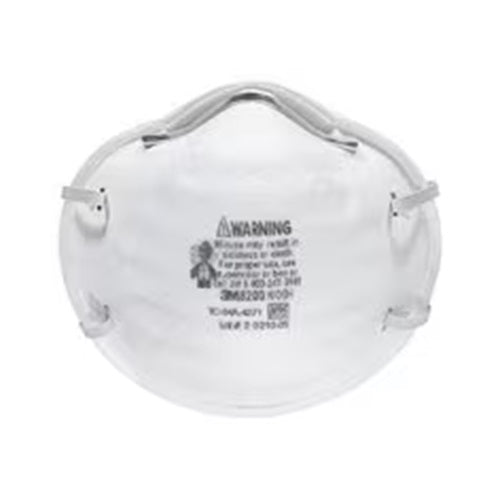
3M 8200 N95 Disposable Respirator
3M
Original price
$18.56
-
Original price
$18.56
Original price
$18.56
$21.99
$21.99
-
$21.99
Current price
$21.99
EDITORIAL REVIEW — 3M 8200 N95 Disposable Respirator. Check price on Amazon →As an Amazon Associate, WC Safety earns from qualifying purchases. WC...
View full details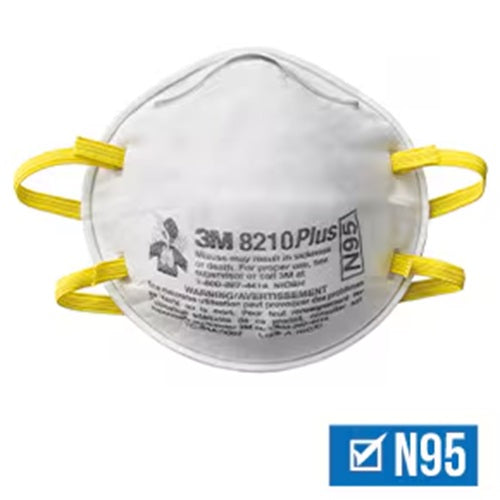
3M 8210Plus N95 Disposable Respirator
3M
Original price
$25.49
-
Original price
$25.49
Original price
$25.49
$25.49
-
$25.49
Current price
$25.49
EDITORIAL REVIEW — 3M 8210Plus N95 Disposable Respirator. Check price on Amazon →As an Amazon Associate, WC Safety earns from qualifying purchases...
View full details

3M 8210V N95 Disposable Respirator with Cool Flow Valve
3M
Original price
$157.87
Original price
$157.87
-
Original price
$157.87
Original price
$157.87
Current price
$128.16
$128.16
-
$128.16
Current price
$128.16
EDITORIAL REVIEW — 3M 8210V N95 Disposable Respirator with Cool Flow Valve. Check price on Amazon →As an Amazon Associate, WC Safety earns from qu...
View full details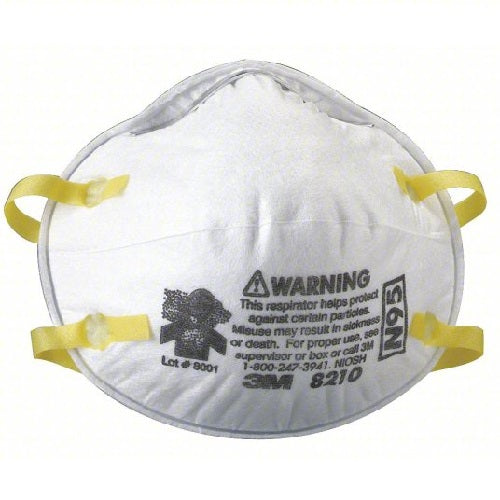
3M 8210 N95 Disposable Respirator
3M
Original price
$32.40
Original price
$32.40
-
Original price
$32.40
Original price
$32.40
Current price
$21.99
$21.99
-
$21.99
Current price
$21.99
EDITORIAL REVIEW — 3M 8210 N95 Disposable Respirator. Check price on Amazon →As an Amazon Associate, WC Safety earns from qualifying purchases. WC...
View full details